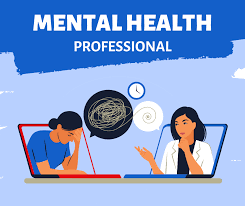
If you’re considering bariatric surgery or are already on your weight loss journey, mental health support is just as important as physical health. Bariatric surgery is a life-changing procedure that requires emotional and psychological adjustments. That’s why finding a mental health professional specializing in bariatric care is crucial.
But how do you find the right professional to guide you through this process? Let’s discuss the essential steps to help you connect with the right mental health expert for your bariatric journey.
1. Understand Why You Need a Bariatric Mental Health Professional
Before searching for a specialist, it’s essential to understand the role mental health plays in bariatric surgery.
Why It Matters:
- Pre-Surgery Evaluation: Most bariatric programs require a psychological evaluation to assess whether you’re mentally prepared for surgery.
- Post-Surgery Support: Mental health professionals help patients adjust to lifestyle changes, emotional challenges, and body image issues after surgery.
- Addressing Emotional Eating: Many people struggle with food addiction, binge eating, or emotional eating, which can impact long-term success.
A bariatric mental health specialist can help you navigate these challenges and ensure that your mindset aligns with your weight loss goals.
2. Look for Professionals with Bariatric Experience
Not all therapists or counselors have experience with bariatric patients. It’s essential to find someone who understands the unique psychological aspects of weight loss surgery.
Where to Start Your Search:
- Bariatric Surgery Centers: Many hospitals and clinics that perform weight loss surgery have in-house mental health professionals or can refer you to specialists.
- Professional Directories: Websites like:
- Psychology Today (search for bariatric or weight loss specialists)
- Obesity Medicine Association
- American Society for Metabolic and Bariatric Surgery (ASMBS)
- Insurance Provider Network: Check with your health insurance provider for covered mental health professionals with bariatric expertise.
Tip: When searching online, use terms like “bariatric psychologist,” “weight loss therapist,” or “emotional eating counselor” to find specialists.
3. Check Their Credentials and Experience
Once you have a list of potential professionals, it’s time to verify their qualifications.
What to Look For:
- Licensed Mental Health Professional: Look for licensed psychologists (Ph.D., Psy.D.), licensed clinical social workers (LCSW), licensed professional counselors (LPC), or psychiatrists (M.D.) with experience in bariatric care.
- Specialization in Bariatric or Eating Disorders: Some professionals may have additional training in eating disorders, obesity treatment, or behavioral therapy for weight management.
- Years of Experience: Ask how long they have been working with bariatric patients.
- Therapy Approach: Many specialists use Cognitive Behavioral Therapy (CBT), Dialectical Behavior Therapy (DBT), or Motivational Interviewing, which are effective for weight loss challenges.
Questions to Ask:
- Have you worked with bariatric patients before?
- What mental health challenges do you commonly see in post-surgery patients?
- What therapy methods do you use for emotional eating or weight-related struggles?
4. Consider Whether You Need In-Person or Online Therapy
Depending on your schedule and location, you may prefer in-person counseling or virtual therapy.
Pros of In-Person Therapy:
- Face-to-face interactions can help with building trust and comfort.
- Some bariatric programs require in-person mental health evaluations before surgery.
Pros of Online Therapy:
- More convenient if you have a busy schedule.
- Access to specialists outside your local area.
- Some online platforms like BetterHelp, Talkspace, or Amwell offer therapy tailored to weight loss patients.
Tip: If you’re choosing online therapy, make sure the provider understands bariatric surgery and its psychological effects.
5. Read Reviews and Get Recommendations
Finding a qualified professional is important, but patient experiences can give you valuable insights.
Where to Find Reviews:
- Google Reviews & Healthgrades: Search for therapists and read reviews from other bariatric patients.
- Bariatric Surgery Support Groups: Join online forums like Facebook groups, Reddit’s r/loseit, or bariatric surgery communities to ask for recommendations.
- Ask Your Surgeon or Dietitian: Bariatric teams often work closely with trusted mental health specialists.
What to Look For in Reviews:
- Do patients mention feeling understood and supported?
- Did the therapist provide effective tools for emotional eating, anxiety, or depression?
- Were sessions helpful in coping with post-surgery changes?
6. Ask About Insurance and Costs
Mental health therapy can be expensive, so it’s important to understand the costs upfront.
Questions to Ask:
- Do you accept my health insurance?
- What is the cost per session if paying out of pocket?
- Do you offer sliding-scale fees for those without insurance?
Many insurance plans cover therapy for bariatric patients, but you may need to verify whether the therapist is in-network or out-of-network.
Tip: If cost is a concern, consider community mental health centers or university clinics that offer affordable counseling.
7. Schedule an Initial Consultation
Once you’ve narrowed down your choices, schedule a first session or consultation to see if the therapist is the right fit.
What to Expect:
- They’ll ask about your weight history, eating habits, emotional triggers, and mental health concerns.
- You can share your goals and any challenges you’re facing.
- It’s an opportunity to see if you feel comfortable with their approach and personality.
Red Flags to Watch Out For:
- They lack experience with bariatric patients.
- They dismiss or don’t understand weight-related struggles.
- They don’t make you feel heard or supported.
8. Be Open to Switching If Needed
Finding the right mental health professional is a personal decision. If, after a few sessions, you don’t feel comfortable or supported, it’s okay to look for someone else.
Signs You Might Need to Switch:
- You don’t feel understood or validated.
- They don’t provide practical strategies for managing emotional eating or post-surgery struggles.
- You feel like the therapy isn’t helping you progress.
Tip: Therapy is most effective when you trust your therapist and feel comfortable opening up. Don’t settle for someone who isn’t meeting your needs.
Final Thoughts
Finding the right mental health professional for bariatric care is a key step in your weight loss journey. Whether you need pre-surgery counseling, emotional eating support, or long-term psychological guidance, a specialized therapist can make a huge difference in your success.
Are you currently looking for a bariatric mental health professional? What challenges have you faced in finding the right support? Let’s discuss and find the best approach for your journey!
Apart from that if you want to know about “Empower Your Journey: True Life Care Mental Health Services in New Jersey” then please visit our health Category.