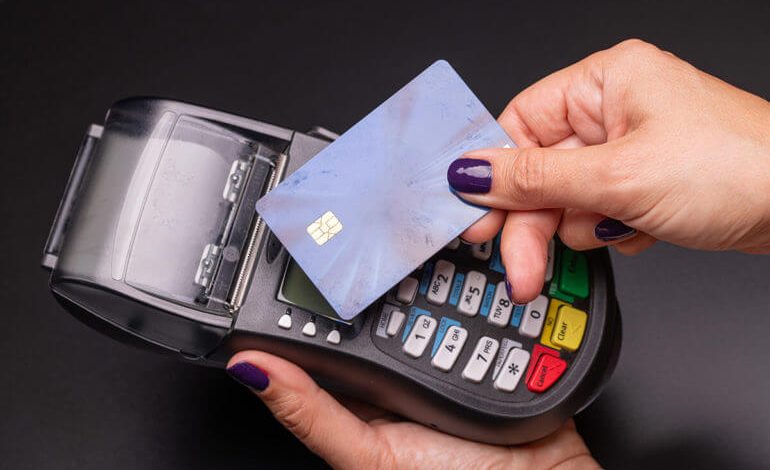
POS machines, despite their associated POS charges, have revolutionized the way businesses operate worldwide. From large retailers to small shop owners, these devices enable seamless acceptance of digital payments, offering a secure, convenient, and efficient transaction experience for both merchants and customers.
In this article, we will explore the fundamentals of POS fees, their various types, and how they affect your business’s bottom line.
What Are POS Charges?
POS charges primarily refer to the rental or usage fees associated with POS hardware and related services. Historically, acquiring POS machines was costly, often placing them out of reach for small businesses. To address this, rental plans were introduced, allowing businesses to access POS technology by paying affordable recurring fees. This strategy has democratized access to POS systems, making it feasible for businesses of all sizes—small, medium, or large—to efficiently accept digital payments and streamline transactions.pos charges
Types of POS Charges
Understanding the various POS charges helps businesses manage costs effectively. Let’s take a closer look at the major fee categories involved.
Payment Processing Fee
Payment processing fees are incurred each time a transaction is completed through the POS. Businesses can either collaborate with third-party credit card processors or utilize the POS provider’s integrated processing system. Since these fees apply to every credit card transaction, selecting a cost-effective and reliable payment processor is crucial to prevent erosion of profit margins. Transparent fee structures and competitive rates can significantly impact the overall cost of doing business.
Number of User Accounts
The number of user accounts accessing the POS system can influence the total fees. Larger businesses with multiple employees logging in with individual credentials may face higher charges. To avoid excessive costs, businesses with many POS users should consider opting for unlimited user packages that provide better value and streamline account management.
Number of Registers
The quantity of POS registers installed directly impacts monthly fees. Although more registers may lead to higher expenses, deploying multiple terminals helps reduce wait times, improve customer satisfaction, and boost sales. Investing in additional POS registers is often a strategic choice that can pay off through enhanced customer loyalty and revenue growth.
Type of Card Reader
While basic POS systems come with magnetic stripe readers, modern payment standards require compatibility with EMV chip cards, NFC/contactless payments, and digital wallets. To stay competitive and cater to diverse customer preferences, businesses should upgrade their POS hardware to support chip dipping, contactless tap, and mobile wallet payments via WiFi or Bluetooth. Offering multiple payment options enhances customer convenience and accelerates checkout processes.
A GPRS POS machine is an essential asset for modern businesses. In today’s digital economy, customers increasingly prefer cashless transactions, and being unprepared for this demand can lead to lost sales. By investing in the right POS system with transparent and manageable charges, businesses can efficiently meet the expectations of tech-savvy consumers and stay ahead in a competitive marketplace.
Understanding and optimizing your POS fees not only helps you save money but also improves operational efficiency. By carefully evaluating your business needs—considering the number of users, registers, card reader types, and payment processing options—you can select a POS solution that maximizes convenience without compromising profitability. Make informed choices today to harness the full potential of your POS system.
Read More: Web Development: A Powerful Tool For Business Growth