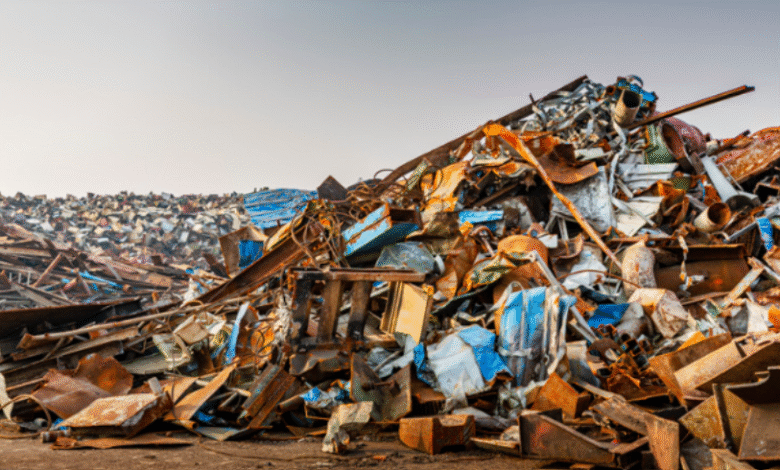
Metal fabrication generates significant waste during cutting, welding, and assembly. Managing this byproduct efficiently is vital to maintaining productivity and profitability. Professional recycling facilities like scrap yard in Canton play a crucial role in helping fabricators streamline their operations, reduce waste accumulation, and recover value from excess metal materials.
The Role of Scrap Yards in Fabrication Operations
Scrap yards serve as key partners for metal fabricators by handling leftover materials generated during daily production. Every fabrication process produces offcuts, filings, and rejected metal pieces that can pile up quickly and take up valuable floor space. When these materials are regularly collected and processed through a scrap yard, businesses benefit from efficient waste removal and cash returns for their scrap.
Unlike general disposal services, scrap yards specialize in sorting, weighing, and repurposing a wide range of metals, including aluminum, copper, brass, and steel. By turning these leftovers into marketable commodities, fabricators not only clear their workspaces but also recover a measurable return on what would otherwise be discarded. This arrangement improves overall workflow efficiency. Clean, organized work areas lead to faster production turnaround times, fewer safety hazards, and reduced downtime caused by clutter or waste buildup.
Enhancing Profitability Through Waste Management
Production waste is an inevitable part of metalworking, but it doesn’t have to represent lost revenue. Partnering with a professional scrapyard turns that waste into a consistent source of income. Instead of paying for removal or disposal, fabricators can sell metal remnants for competitive market prices.
Establishing a routine recycling schedule ensures that materials are collected promptly, allowing for uninterrupted operations and maintaining quality control standards. High-volume fabricators, in particular, can achieve substantial financial returns over time by systematically recycling metal waste rather than storing or discarding it. Understanding mistakes people make when selling scrap metal is also critical to maximizing profits. Common missteps, such as mixing metal types or failing to clean materials before collection, can reduce overall payouts. Knowing how to prepare and categorize scrap properly helps ensure fair pricing and efficient processing once it reaches the yard.
Streamlining Production Efficiency
A trusted scrap yard partner simplifies logistics for metal fabrication companies. Many offer scheduled pickups or on-site containers, minimizing disruption to daily operations. This convenience eliminates the need for internal sorting or large storage areas for waste materials. By outsourcing the recycling and resale process, fabricators can focus on core production without worrying about managing leftover materials. Regular scrap removal also supports compliance with safety standards by preventing debris from obstructing work areas or interfering with machinery.
Additionally, metal fabricators gain insights into the value of their scrap through transparent weighing systems and real-time price evaluations. This information enables better planning and budgeting, as businesses can anticipate returns from their production waste over time.
Types of Scrap Commonly Recycled
Fabrication processes yield various forms of scrap that hold resale value. Common examples include sheet metal trimmings, welding remnants, aluminum shavings, and structural steel cuttings. Each of these materials can be recycled and reintroduced into manufacturing cycles through specialized facilities. Non-ferrous metals such as copper and brass typically yield higher prices, while ferrous metals like iron and steel provide consistent volume returns. A professional scrapyard can handle both efficiently, ensuring that nothing of value goes to waste.
Working with an established facility ensures that sorting, weighing, and payment are handled quickly and accurately. Fabricators benefit from predictable service schedules and fair compensation for every load.
Conclusion
Scrap yards are indispensable partners for metal fabricators seeking to manage production waste effectively. They provide efficient material handling, consistent financial returns, and cleaner production environments. By recognizing the value of scrap and leveraging professional recycling services, fabricators can optimize both workflow and profitability while maintaining a streamlined operation built for long-term success.
For businesses looking to improve their waste management practices, a marketing recruitment agency could be beneficial in finding the right professionals for the job.