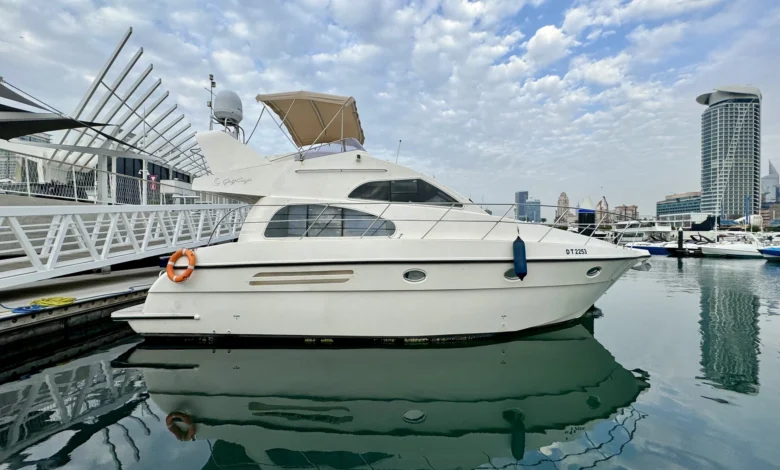
A cruise charter offers the perfect blend of luxury, adventure, and exclusivity. Whether you’re organizing a corporate retreat, a family reunion, or a special celebration, chartering a cruise gives you full control over your itinerary, activities, and overall experience. However, planning the budget for a private cruise requires thoughtful preparation to avoid unexpected costs and ensure a seamless trip.
In this guide, we’ll explore essential tips and key considerations to help you plan your cruise charter budget effectively and guarantee a smooth, stress-free experience.
1. Understand the Different Types of Cruise Charters
Before diving into budgeting, it’s crucial to identify which type of cruise charter suits best fits your requirements. Costs vary significantly based on the vessel, crew, and level of customization.
Types of Cruise Charters:
- Bareboat Charter – Rent the vessel without a crew; you or your group handle navigation, provisioning, and fuel.
- Crewed Charter – Includes a professional captain and crew, possibly chefs, stewards, and activity coordinators.
- Luxury Charter – A premium experience with top-tier amenities, gourmet dining, and exceptional onboard services.
- Expedition Charter – Adventure-focused, with explorations of remote locations, wildlife tours, and specialized activities.
- Corporate Charter – Tailored for business events, networking opportunities, and team-building experiences.
Budget Tip: Bareboat charters are generally the most budget-friendly, while luxury charters command higher prices due to enhanced services and amenities.
2. Determine Your Group Size
The number of guests is one of the largest factors influencing cost.
Why It Matters:
- Larger groups require larger vessels, typically resulting in higher rental prices.
- Charters may charge a flat daily rate or a per-person fee.
- Knowing your guest count upfront helps select the appropriate ship size and avoid paying for excess capacity.
Budget Tip: If possible, keep your guest list to immediate family or a smaller group to minimize expenses.
3. Choose the Right Destination and Route
Your chosen itinerary significantly impacts your overall budget. Certain destinations involve higher docking fees, fuel surcharges, and permits. Reputable providers like Argosy Cruises Charter offer curated routes that optimize cost-effectiveness without compromising scenic quality.
Factors That Impact Costs:
- Cruise Duration: Longer trips carry higher costs than weekend or short getaways.
- Destination Fees: Some exotic ports require special permits and increased docking fees.
- Fuel Consumption: Extended or remote voyages increase fuel expenses.
- Port Charges: Premium marinas often levy higher berth fees on private yachts and charters.
Budget Tip: Choose a shorter itinerary stopping at budget-friendly ports to reduce total expenses.
Read more: How To Make Sure You Have the Right SIM Card when Travelling
4. Compare Charter Packages and Inclusions
Charters differ widely in what they include. Some offer comprehensive all-inclusive packages, while others divide costs for meals, beverages, crew services, and activities.
Common Inclusions and Additional Costs:
Typically Included:
- Crew salaries
- Standard meals and beverages
- Fuel for standard cruising routes
- Basic port fees at select locations
Often Extra Charges:
- Premium alcohol and specialty dining
- Watersports equipment rentals
- Excursions and private tours
- Wi-Fi, spa treatments, and special onboard entertainment
Budget Tip: Seek charters with inclusive pricing for predictable expenses, or reserve a budget buffer for optional extras.
5. Factor in Crew and Service Fees
A skilled and attentive crew enhances your cruise, but their wages and gratuities contribute to the overall cost.
Crew Costs to Consider:
- Captain and Navigation Team – Crucial for safety and smooth operations.
- Chefs and Culinary Staff – Essential for gourmet dining experiences.
- Housekeeping and Service Personnel – Provides luxury-level cleanliness and comfort.
- Activity and Excursion Guides – Needed for adventure-based trips such as diving or cultural tours.
Crew Gratuity Expectations
- Standard gratuities range from 10% to 20% of the total charter cost.
- Some companies include service charges upfront, while others expect tips upon trip completion.
Budget Tip: Request a detailed crew cost breakdown before booking to avoid surprise fees.
6. Consider Food and Beverage Costs
Dining is a significant budget item, especially when opting for gourmet meals or premium drink selections.
Key Food and Drink Budget Considerations:
- All-Inclusive vs. À La Carte – Some charters include meals; others bill per dish or drink.
- Alcohol Packages – Cocktail parties and fine wines may add considerable cost.
- Special Dietary Requirements – Vegan, gluten-free, or halal menus can incur additional fees.
Budget Tip: Limit premium alcohol selections and plan menus with the chef to keep costs manageable.
7. Plan for Activities and Excursions
Adding onshore excursions and onboard activities can significantly impact your budget.
Popular Activities and Associated Costs:
- Scuba Diving and Snorkeling – Costs include equipment rental and guided tours.
- Private Island Visits – May involve entrance fees and transport charges.
- Fishing and Water Sports – Rentals for jet skis, paddleboards, and kayaks can add up.
- Onboard Entertainment – Live performances, DJs, and special shows sometimes require extra payment.
Budget Tip: Utilize complimentary onboard activities such as swimming, movie nights, and games rather than costly excursions.
8. Don’t Forget Taxes, Insurance, and Contingency Funds
Unexpected costs often arise, making it wise to allocate a financial buffer.
Additional Costs to Factor In:
- Sales Tax and VAT – Applicable taxes can increase charter costs depending on location.
- Travel Insurance – Protects against trip cancellations, medical emergencies, and other unforeseen events.
- Security Deposits – Luxury charters often require refundable deposits for potential damages.
Budget Tip: Set aside at least 10-15% extra of your total budget for emergency and incidental expenses.
9. Book Early for the Best Rates
Many cruise charters offer attractive early booking discounts.
Advantages of Early Booking:
- Access to a broader selection of vessels suited to your budget.
- Lower rates compared to last-minute arrangements.
- Flexible payment plans to spread out your costs comfortably.
Budget Tip: Take advantage of off-season rates and promotional offers for substantial savings.
Final Thoughts
Successfully budgeting your cruise charter involves a comprehensive evaluation of vessel type, crew and service fees, dining, activities, and unforeseen expenses. By thoroughly researching options, comparing packages, and allocating finances responsibly, you can create an unforgettable cruise experience without financial stress.
Are you currently planning a cruise charter? What budget concerns or questions do you have? Let’s connect and explore the best strategies to make your dream voyage a reality!
Additionally, if you want to learn more about Ideas for the Weekend, be sure to visit our Travel category for detailed insights.
When planning a cruise charter, it is essential to factor in environmental considerations and sustainable practices. Many modern charters now emphasize eco-friendly operations, such as using cleaner fuels, minimizing waste, and supporting local conservation efforts at destinations. Choosing a provider committed to sustainability not only contributes positively to the environment but also ensures you enjoy pristine natural surroundings throughout your journey. Incorporating responsible travel practices into your cruise plan enhances the experience for both you and future travelers, making your luxury adventure more meaningful and impactful.
For those planning a special event like a prom or celebration, tips on accessorizing your white dress can be found here.