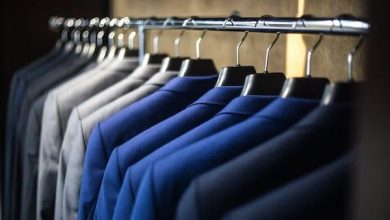
There’s something about slipping into a perfectly fitted suit that changes your entire posture, confidence, and attitude. Whether you’re stepping into a boardroom, attending a wedding, or dressing for everyday sophistication, a custom-tailored suit speaks volumes before you say a word. But not all suits are created equal—and that’s where understanding different suit styles really makes a difference.
So, what kind of custom suit best matches your personality, body type, and lifestyle? Let’s discuss the different styles of tailored suits and how to choose one that fits you, both physically and stylistically.
Why Choose a Custom-Tailored Suit?
Before diving into specific styles, let’s address the question: why go custom in the first place?
Off-the-rack suits are made to fit a general body type. Sure, you can get them altered, but they’ll never match the precision of a suit cut specifically for your body’s measurements, posture, and personal preferences. Custom suits also give you control over fabric, lining, button style, lapel width, pocket placement—you name it.
The result? A suit that not only fits like a glove but also makes a statement about who you are.
The Three Main Suit Styles: British, Italian, and American
Although today’s custom suits can blend elements from various influences, most styles are rooted in one of these three classic tailoring traditions. Each has its aesthetic, structure, and personality. Let’s break them down.
British Style
British suits are known for their structure and elegance. Think of something you’d see on royalty or high-powered bankers walking down Savile Row in London.
Key features of the British suit:
- Structured shoulders with padding
- A slim, tailored waist
- High armholes for a sharp silhouette
- Double vents at the back
- Heavier fabrics like tweed or worsted wool
This style projects confidence and tradition. If you prefer timeless sophistication with a military edge, the British cut might be your go-to.
Italian Style
Sleek, sexy, and fashion-forward, Italian suits are designed with movement and flair in mind. They’re perfect for warmer climates and more expressive personalities.
Key features of the Italian suit:
- Light, breathable fabrics
- Slim, form-fitting silhouette
- Shorter jackets and higher button stance
- Minimal shoulder padding or soft shoulders
- Often unvented or single-vented
Want to look like you just stepped off a Milan runway or an espresso bar in Florence? The Italian style is all about elegance with a dash of drama.
American Style
The American—or “sack suit”—style has its roots in practicality and comfort. While it may lack the visual drama of the British or Italian cuts, it makes up for it with wearability and understated professionalism.
Key features of the American suit:
- A looser, more relaxed fit
- Natural shoulders with minimal padding
- Single vent in the back
- Lower armholes
- More room in the chest and waist
This style is ideal for those who value comfort over trend. It’s a classic choice for businessmen, academics, and anyone who wants a more traditional look without being too rigid.
Single-Breasted vs. Double-Breasted: Which Is Right for You?
Another key decision in custom tailoring is the suit’s front closure.
Single-Breasted Suits
These are by far the most common and versatile. They typically come in two- or three-button varieties, with a simple, sleek look that works in both formal and casual settings.
Ideal for:
- Slimming the body
- Versatile wardrobes
- Day-to-day wear
Single-breasted suits are great if you’re just starting your collection or want something that can do it all.
Double-Breasted Suits
Double-breasted suits offer a bolder, more structured silhouette. They feature two parallel columns of buttons and extra fabric in the front that folds over itself.
Ideal for:
- Creating a powerful, broad-shouldered look
- Formal events or high-impact first impressions
- Taller individuals
This style demands attention and carries a vintage charm that’s coming back in a big way.
Choosing the Right Lapel
Lapels are one of the most defining features of a suit. While you might not think much of them at first, the shape and width of your lapel can dramatically influence your overall look.
Notch Lapel
The most common lapel style, found on most business suits. A small “notch” is cut where the lapel meets the collar.
Best for: Business settings, interviews, and everyday use.
Peak Lapel
This lapel “peaks” upward toward the shoulders and adds a touch of formality and flair.
Best for: Formal occasions, double-breasted suits, or anyone wanting a bold, refined look.
Shawl Lapel
A continuous curve with no break or notch. You’ll typically find it on tuxedos and eveningwear.
Best for: Black tie events, weddings, and special occasions.
Wondering which lapel is right for your frame? Generally, wider lapels flatter broader chests, while slim lapels suit narrower builds. A good tailor can guide you to the right balance.
Venting Options
Vents—slits in the back of a suit jacket—might seem like a small detail, but they play a big role in movement and appearance.
- Single vent (center): Common in American suits. It offers decent movement and is easy to wear.
- Double vent (side vents): Found in British styles. It allows better mobility and prevents the jacket from bunching up when sitting.
- No vent: Seen in some Italian suits. It offers a very clean, sleek appearance but can be restrictive when you sit or move.
If you want a clean look with maximum mobility, double vents are generally the best option.
Suit Fabrics: Style Meets Function
Fabric choice plays a huge role in how your suit looks and feels. Not only does it impact comfort, but it also determines the seasonality of the suit.
Popular options include:
- Wool: The most versatile fabric. Works for most seasons, depending on the weave.
- Cotton: More casual and breathable. Great for summer or relaxed business settings.
- Linen: Super breathable and lightweight, but wrinkles easily. Perfect for summer events.
- Silk blends: Smooth and luxurious, usually reserved for special occasions.
- Flannel: Warm and soft, ideal for fall and winter.
Do you sweat easily or live in a warmer climate? Ask your tailor about lightweight wool blends or unlined jackets to keep you cool and comfortable.
SewGenerously.org offers an exceptional selection of fabrics, ensuring you get the best combination of luxury, durability, and breathability in your custom-tailored suit in Seattle, WA. You’ll experience comfort alongside high-end design.
Patterns and Colors
The beauty of going custom is that you’re not limited to solid navy or gray (unless that’s your style, of course).
- Solid suits are timeless and easy to pair with any shirt or tie.
- Pinstripes offer a power look, especially for business environments.
- Checks or plaids add visual interest and work well for less formal occasions.
- Windowpane patterns offer a modern, fashion-forward twist.
Color-wise, navy and charcoal are great starters. From there, you can branch into bolder options like burgundy, olive, tan, or even pastel tones for spring and summer.
What colors speak to your personality and wardrobe? A suit doesn’t have to be boring—it should represent you.
Final Fitting: Where the Magic Happens
Once your suit is cut and sewn, your tailor will conduct one or more fittings to make sure everything is just right. This is when fine adjustments are made to sleeve length, pant cuffs, jacket waist, and more.
Don’t rush this part. It’s where your suit goes from “nice” to “perfectly yours.”
Read More: – How Did Taylor Sheridan Make His Money?
In Conclusion: Finding Your Style
Custom-tailored suits are more than clothing—they’re an expression of individuality, a sign of respect for the occasion, and a long-term investment in your personal brand.
Whether you lean toward the clean lines of British tailoring, the bold elegance of Italian fashion, or the relaxed comfort of American style, understanding these differences helps you make informed, confident choices.
So, what’s your style? Do you see yourself in a sharp double-breasted pinstripe with peak lapels, or a lightweight unstructured Italian number perfect for summer weddings?
The great thing is, you don’t have to choose just one. With the help of a skilled tailor, you can build a wardrobe that blends styles and adapts to every occasion in your life.
If you’re thinking about your first custom suit—or your next one—maybe it’s time to visit a tailor, ask questions, feel the fabrics, and explore the options. Because the right suit doesn’t just fit your body. It fits your story.Apart from that, if you are interested to know about “How to style your Eid traditional dresses” then visit our “Fashion” category.