If you’ve spent any time browsing online fashion stores, you’ve likely noticed the rising popularity of designer boutiques. Some boutiques sell their products on larger platforms like Facebook, while others run successful businesses through their own websites. Many brands find the perfect balance by combining both approaches to reach their customers effectively.
Regardless of their marketing strategies, designer boutiques are becoming an increasingly important and influential segment of the fashion industry, especially among younger consumers who value uniqueness and style.
What drives the fashion-forward revolution?
Your Personal Preferences
Your personal style is a reflection of your individuality, and designer boutiques cater to this by offering unique, thoughtfully designed pieces that stand apart from mass-produced clothing. For example, Libas e Jamila presents an impressive ethnic collection of designers Eid dresses in the UK, available through their online store. Fashion is a powerful way to express your personality, and boutiques provide distinct options that avoid the “same-old” look often found in mass-market stores.
Moreover, designer boutiques often offer more competitive pricing because you’re buying directly from the creators, eliminating middlemen and unnecessary markups common in chain stores.
Ethnic Wear
One of the significant advantages of shopping eid clothes UK from boutiques like Libas e Jamila is access to an extensive range of ethnic wear that goes beyond traditional store options. Established boutiques often showcase both established and emerging brands, giving you a curated mix of popular labels and fresh fashion trends to explore.
Experience a personalized shopping journey and indulge in unique ethnic designs that highlight your culture and personality, making your wardrobe truly one-of-a-kind.
Personal Small Boutique
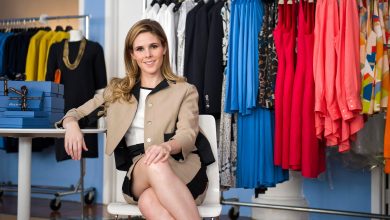
If you have a keen eye for fashion and understand styling, creating your own boutique can be a rewarding venture. Sharing your fashion insights with others through a personalized boutique allows you to build a curated selection that reflects your taste and meets customer demands.
Starting a boutique involves key decisions, such as whether to rent a physical space before acquiring inventory or vice versa. We provide strategic advice on launching your fashion boutique and positioning it for success in today’s competitive market.
Latest Designs
When planning your boutique’s inventory, focus on a specific style or niche rather than covering all fashion categories. Whether it’s evening wear, bridal collections, or activewear, specializing helps you differentiate your brand.
Conduct market research in your target area to identify unmet needs or gaps in the current fashion landscape, and tailor your boutique’s offerings accordingly to attract loyal customers.
Final Thoughts
Launching a clothing boutique requires thorough research and careful planning. After deciding on the boutique’s style and target market, explore various product sources, including local manufacturers and emerging brands. Some sellers even offer consignment arrangements, allowing you to stock inventory without upfront payment and return unsold items.
The internet is an excellent platform for sourcing fashion products, but don’t overlook regional designers wearing who can provide unique items that enrich your boutique’s appeal and support local craftsmanship.
In today’s digital age, designer boutiques are thriving as consumers increasingly seek authentic, personalized fashion experiences that express their identities. These boutiques provide access to bespoke clothing that mass-market brands cannot match, creating valuable opportunities for both customers and entrepreneurs. Embracing the boutique culture helps preserve craftsmanship, encourages sustainable shopping habits, and fosters a vibrant fashion community that values innovation and individuality.