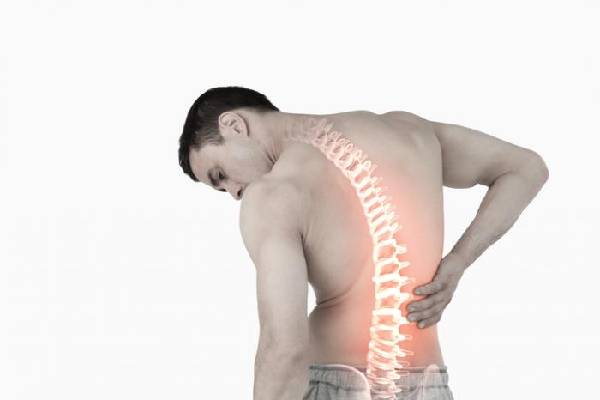
Back pain is one of the most common and distressing health issues faced by people worldwide. Identifying the exact cause of back pain is often challenging. In many cases, back pain is classified as non-specific, meaning there is no identifiable underlying cause. Sometimes, it is referred to as mechanical pain, which originates from the bones, soft tissues, and joints surrounding the spinal cord.
This type of pain may worsen or improve depending on body posture or movement. Generally, non-specific back pain can develop either gradually or suddenly, and symptoms tend to intensify with physical activity or certain movements.
Medical Causes
Certain medical conditions can be responsible for triggering back pain. These include:
- Sciatica
- Herniated or slipped disc
- Ankylosing spondylitis
- Spondylolisthesis
These conditions often require different treatment strategies than those used for non-specific back pain. Additionally, back pain can sometimes be a symptom of serious health issues such as:
- Spinal infections
- Spinal fractures
- Cancer affecting the spine
- Cauda equina syndrome
Other Causes
Back pain often arises without a clearly identifiable cause based on imaging studies or diagnostic tests. Some common underlying conditions include:
Bulging or Ruptured Discs:
Intervertebral discs act as cushions between the vertebrae in the spine. When the soft material inside a disc bulges or ruptures, it can press on nearby nerves causing pain. Interestingly, some individuals with bulging or herniated discs may not experience any pain at all. Imaging tests like X-rays or MRIs help diagnose these disc-related issues.
Skeletal Irregularities:
Abnormal spinal curvature can result in back pain. Scoliosis, where the spine curves sideways, may cause discomfort especially if the curvature is severe.
Arthritis:
Osteoarthritis can affect the lower back by causing spinal joints to degenerate. This may result in narrowing of spaces within the spine, a condition called spinal stenosis, which can contribute to pain and limited mobility.
Treatment Options
There are several effective back pain treatment in Clermonttreatment options available for managing back pain based on its cause and severity.
Exercise:
Exercise is a fundamental component for treating chronic back pain. Under the guidance of a healthcare provider and a specialized physical therapist, tailored exercise routines can improve flexibility, strengthen back muscles, and reduce discomfort. Consistency with home exercises is crucial for long-term success.
Dietary Considerations:
Diet plays a significant role in managing inflammation and supporting spinal health. Diets high in trans fats, processed sugars, and junk food tend to increase inflammation, potentially worsening back pain. Maintaining a healthy weight through balanced nutrition can reduce pressure on the spine and alleviate pain symptoms.
Regardless of the cause, it is essential to seek medical evaluation promptly if you experience persistent or worsening back pain. A healthcare professional will perform necessary examinations and recommend appropriate treatments such as exercise regimens, lifestyle modifications, or medical interventions. Early diagnosis and management improve outcomes and reduce the risk of chronic pain or disability.
Back pain can significantly affect quality of life, but with proper care and treatment, many people find relief and regain normal function. If you suffer from back pain, consult your doctor without delay to prevent complications and enhance your recovery.
Read More: Sports Injuries: Types, Treatment and Prevention
Additional Insight: Chronic back pain is a leading cause of disability worldwide, affecting millions of people each year. Advances in medical research have highlighted the importance of a multidisciplinary approach to treatment that includes physical therapy, behavioral therapy, and sometimes minimally invasive procedures. Emerging technologies such as telemedicine and wearable devices are making it easier for patients to monitor symptoms and adhere to treatment plans. Early intervention and education about proper posture, ergonomics, and body mechanics are also critical in preventing back pain from becoming a long-term issue. Staying informed and proactive can make a substantial difference in managing back health effectively.