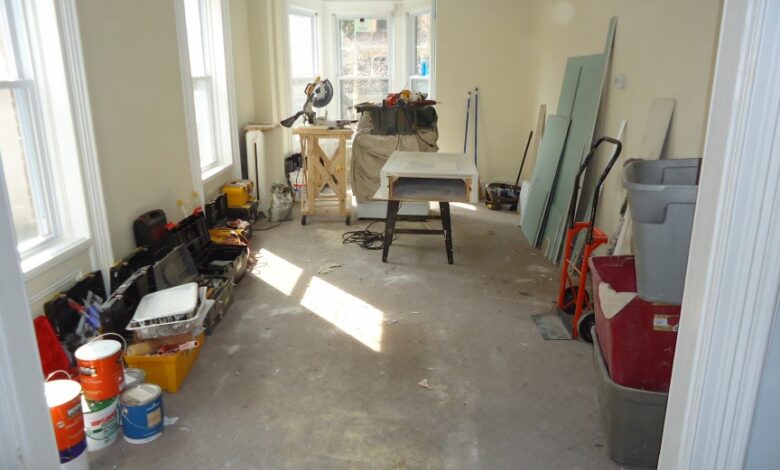
No one ever expects disaster to strike their home. Whether it’s caused by a storm, fire, water leak, or some other unexpected event, the damage left behind can be overwhelming. You might feel frozen, unsure of what to do first, whom to call, or how to begin piecing your life back together. But don’t worry—you’re not alone, and there’s a clear path to recovery.
Let’s discuss the essential steps you should take after your home suffers property damage. This guide will help you stay calm, act quickly, and make smart choices that protect your home, health, and finances. You might also like Deep Cleansing Facial Steps.
What Should You Do Immediately After Discovering Property Damage?
Your first instinct might be to jump into cleaning or repairs, but it’s important to pause and take the right steps in the correct order. The decisions you make in the first 24 to 48 hours can greatly impact your recovery process. You might also like How Long Does It Take to Legally Divide Shared Property in Florida.
1. Ensure Safety First
Your safety—and that of your family—comes before anything else. If there has been structural damage, fire, flooding, or even the smell of gas, it may not be safe to stay in the house. Exit the property if needed and call emergency services.
Ask yourself:
- Is it safe to remain in the home?
- Are there any exposed wires, standing water, or compromised ceilings?
If in doubt, step outside and call professionals.
2. Contact Your Insurance Provider
Next, notify your insurance company as soon as possible. File a claim and provide them with the details of the incident. Most companies will send out an adjuster to assess the damage.
Pro tip: Take notes during every conversation, including names, dates, and summaries. Keep these records organized—you’ll need them later.
3. Document Everything
Before you begin cleaning up or moving items, thoroughly document the damage. Take clear photos and videos of every affected area, item, and structure. This includes:
- Walls, ceilings, and floors
- Personal belongings
- Appliances and electronics
- Furniture
- Exterior damage (roof, windows, gutters, etc.)
This evidence will support your insurance claim and protect you if there are any disputes.
Who Should You Call to Help with Restoration?
Once you’ve documented the damage and filed your insurance claim, the next step is finding the right professionals to help restore your home.
If you’re looking for reliable and expert help with home restoration in Anderson, SC, premierconstructionandrestoration.com is a trusted name in the field. They specialize in thorough and efficient restoration services, ensuring your home is brought back to its pre-damage condition with utmost care.
4. Contact a Professional Restoration Company
Why not just do it yourself? Because some damage, like mold, smoke residue, or water behind the walls, can worsen if not handled properly. A certified home restoration company has the experience, tools, and knowledge to address problems thoroughly.
These professionals can assist with:
- Water extraction and drying
- Mold remediation
- Fire and smoke cleanup
- Structural repairs
- Odor removal
Make sure the company you choose is licensed, insured, and specializes in residential restoration. You can also ask your insurance provider for recommendations.
Can You Stay in the Home During Restoration?
Depending on the severity of the damage, you may not be able to stay in your house. If your home is uninhabitable, your insurance policy may cover temporary living arrangements (known as “loss of use” coverage).
Discuss your options with your insurer and keep all receipts related to temporary lodging and meals—they may be reimbursable.
What Happens During the Home Restoration Process?
Understanding what’s ahead can help you mentally and emotionally prepare. Here’s a general breakdown of what the home restoration process might include:
5. Initial Assessment and Estimate
Once hired, your restoration company will assess the full extent of the damage. This may involve moisture detection tools, air quality tests, or structural evaluations. They’ll then provide a plan of action and an estimate.
6. Emergency Mitigation
To prevent further damage, immediate steps are taken to stabilize the home. This could include:
- Boarding up broken windows
- Tarping the roof
- Pumping out water
- Removing contaminated materials
This phase is all about protecting what’s left and stopping the damage from spreading.
7. Cleanup and Demolition
Debris, ruined drywall, soaked carpets, and fire-damaged items are removed. Specialized cleaning methods are used depending on the type of disaster (e.g., soot removal after a fire or mold after water damage).
8. Repairs and Rebuilding
Once everything is cleaned and dried, the rebuilding begins. This could involve replacing flooring, repainting walls, installing new cabinets, or even reconstructing sections of your home.
Ask questions like:
- How long will repairs take?
- Will you match the original finishes and materials?
- Do I need permits for reconstruction?
Don’t be afraid to be involved. After all, it’s your home.
9. Final Inspection and Return Home
After repairs are complete, a final inspection ensures your home is safe and up to code. Once approved, you can return to a fully restored—and sometimes improved—living space.
How Can You Prevent Further Damage in the Future?
While not all disasters are preventable, some property damage can be reduced with proper preparation. Consider these preventive steps:
- Install smoke detectors and check them monthly
- Have your plumbing and roof inspected annually
- Invest in a sump pump if you’re in a flood-prone area
- Use surge protectors for electronics
- Keep an emergency go-bag for your family
- Back up important documents digitally
Let’s not forget the emotional impact of property damage. It’s stressful and, in some cases, traumatic. Talking to a counselor, leaning on friends and family, and giving yourself time to adjust are just as important as fixing your house.
Should You Consider Upgrades During Restoration?
Restoration might also be the perfect time to improve certain areas of your home. If walls are already torn out or floors are being replaced, why not consider upgrades?
- Want better insulation or new paint colors?
- Thinking of replacing old flooring with luxury vinyl or tile?
- Interested in making your home more disaster-resistant?
Talk with your restoration team about your vision. Some upgrades may not cost much more if they’re done during the rebuilding process.
Final Thoughts: Moving Forward After the Unexpected
Property damage can turn your world upside down. But with the right steps, the right help, and a solid plan, you can recover—stronger and smarter than before.
The key is to act quickly, document thoroughly, lean on experts, and take care of your emotional well-being along the way. Remember, you’re not just fixing a house—you’re rebuilding your sense of safety, comfort, and peace.
So if you’re facing the aftermath of damage, don’t panic. Take a breath. Then take the first step forward. Because recovery begins with action, and you’re more prepared than you think.
If you want to know more about Signs of Water Damage in Walls, then visit our Home Improvement category.
For more tips on making your home cozy this autumn, check out How to Create a Cozy Home This Autumn: Fall Home Decor Inspiration.
For those considering a career change or starting their own marketing recruitment agency, you might find our guide on Steps to Become Marketing Recruitment Agency insightful.