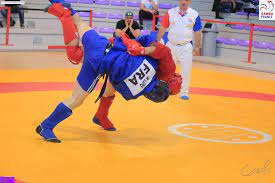
Sambo, a distinguished Russian martial art with a rich historical background, has rapidly gained international popularity for its distinctive blend of throws, ground control techniques, and submission holds. For both practitioners and enthusiasts, familiarizing oneself with the official Sambo rules is crucial to fully appreciate and compete in this dynamic sport. This article explores the fundamental rules of Sambo, providing insight into the sport’s technicalities and competitive framework.
Origins and Evolution of Sambo:
Sambo, an acronym for SAMozashchita Bez Oruzhiya meaning “self-defense without weapons,” was created in the early 1920s in the Soviet Union. Initially developed by the Red Army to improve soldiers’ hand-to-hand combat skills, Sambo combined techniques derived from judo, traditional Russian wrestling styles, and other martial arts. Over the decades, it evolved into both a highly effective combat system and a competitive sport, with international recognition further elevating its status worldwide.
Scoring System:
A typical Sambo match consists of two rounds, each lasting three minutes, where competitors aim to accumulate points through executing effective techniques. Points are awarded for successful throws, takedowns, and maintaining dominant ground positions. Additionally, submissions—including joint locks and strangles—and pinning an opponent’s shoulders to the mat can lead to immediate victory. The scoring system rewards technical skill, control, and aggression, encouraging dynamic and strategic matches.
Throws and Takedowns:
Throws are a vital component of Sambo, with competitors striving to perform them with precision and dominant control. Points vary according to the difficulty and execution quality of the throw. Takedowns aim to bring the opponent to the ground while maintaining strategic control, contributing to both scoring and setting up ground techniques.
Ground Control and Submissions:
On the ground, Sambo athletes use a combination of control positions and submission holds to dominate opponents. Securing a commanding position such as mount or back control scores points by demonstrating superiority. Effective submissions—including various joint locks and strangles—can end matches instantly or add to the competitor’s point total.
Out-of-Bounds and Restarting:
The competition mat has clearly defined boundaries. If any part of a competitor’s body other than their feet crosses these limits, the match is momentarily stopped, and both athletes are reset to the center. This rule maintains continuous engagement, discouraging stalling or evasive tactics, and keeps the action fast-paced and fair.
Uniform and Protective Gear:
Competitors wear a traditional Sambo jacket called a kurtka paired with specialized shorts known as boytsovskye trusy. The kurtka’s design facilitates gripping for throws and ground control. Athletes also wear wrestling shoes that enhance traction on the mat. Mandatory protective equipment includes a mouthguard and groin guards to ensure competitor safety during intense physical exchanges.
Penalties and Disqualifications:
To maintain fairness and uphold sportsmanship, Sambo has strict regulations against passivity, illegal techniques, and unsportsmanlike conduct. Infractions lead to point deductions, warnings, and in severe or repeated cases, disqualification. These measures ensure active, safe, and respectful competition according to the traditional guidelines.
Sportsmanship and Respect:
Respect and sportsmanship lie at the heart of Sambo culture. Athletes traditionally bow before and after matches, symbolizing mutual respect and humility, principles deeply rooted in martial arts ethos. Competitors are expected to maintain integrity, honor, and camaraderie, fostering a positive community atmosphere that extends beyond the sport itself.
In summary, Sambo is a dynamic and multifaceted martial art marked by its distinct rules encompassing throws, ground control, submission techniques, and a strong emphasis on sportsmanship. Whether you’re a dedicated competitor or a newcomer, understanding these rules enriches your appreciation and engagement with Sambo, transforming it into both a competitive sport and a disciplined way of life.
In recent years, Sambo’s global reach has expanded significantly, with international tournaments attracting diverse athletes and growing fanbases worldwide. The sport continues to evolve, incorporating modern training methods and safety standards, while preserving its traditional roots. This blend of heritage and innovation makes Sambo an exciting martial art that appeals to practitioners of all levels. For those interested in exploring related disciplines, be sure to check out Are You Ready to Make a Change in Your Career? within our dedicated Daily Bites category.