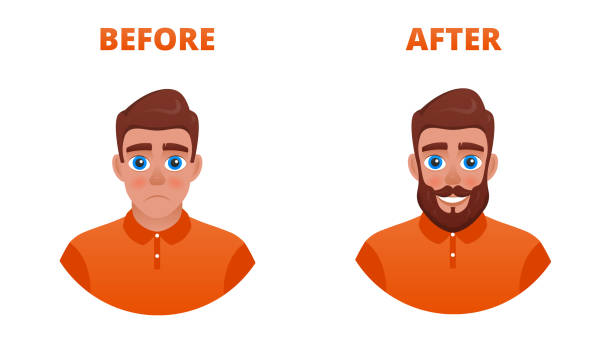
What is Hair Restoration? Hair restoration is a specialized medical procedure performed by experienced physicians to transplant hair follicles into areas with thinning or no hair. Since the 1950s, doctors worldwide have been advancing this technique, which continues to evolve with improved methods and technologies every year. This article highlights key expectations, benefits, risks, and recovery processes related to hair restoration procedures. Understanding these important aspects helps patients make informed decisions before undergoing treatment.
What are the Expectations and Recovery from Hair Restoration Procedures?
Before undergoing a hair restoration procedure, it is crucial to understand the post-operative expectations. Patients typically experience tenderness and mild discomfort on the scalp after surgery. To manage this, physicians usually prescribe pain relief medication for several days. Additionally, a course of antibiotics may be necessary to prevent infection, which must be taken under the guidance of your healthcare provider. Following all post-surgical instructions carefully will ensure optimal healing and reduce complications.
Expected Time to Heal After Hair Restoration
Planning your recovery is essential. Most patients can return to their regular activities within 2 to 5 days post-procedure. However, certain activities—such as swimming, smoking, and exposure to direct sunlight—should be avoided during the healing period to prevent complications. Wearing a hat when outdoors is recommended to protect the scalp from UV damage and support proper healing.
The Expected Cost and Risks of Hair Restoration
The cost of hair restoration largely depends on the number of grafts and the technique used. As of 2024, prices typically range between $4,000 and $15,000. It is important to consult with your physician to get a clear estimate tailored to your needs. Like any surgical procedure, hair restoration carries some risks, including bleeding, infection, scarring, and unnatural hair growth patterns if performed improperly.
Potential Risks of Hair Restoration Procedures
When performed by unqualified practitioners, hair restoration risks increase significantly. Common side effects include minor bleeding, inflammation, and follicle irritation. In rare cases, infections or scarring may occur. Some patients might notice unnatural hair growth or folliculitis (inflammation of hair follicles). These issues are generally manageable with appropriate antibiotics or treatments prescribed by your doctor. Selecting a board-certified and experienced surgeon greatly minimizes these risks.
How Hair Restoration Procedures Work
Hair restoration involves harvesting healthy hair follicles from a donor site, usually the back or sides of the scalp, where hair is thicker and more resilient. These grafts are then transplanted to areas with thinning or no hair. Over time, the transplanted hair follicles establish blood supply and begin to grow naturally, restoring the hairline and density.
Expected Benefits of Hair Restoration
This outpatient surgical treatment offers numerous benefits. Most patients achieve significant improvement in hair density and aesthetics, often regaining confidence with a natural-looking hairline. The minimally invasive nature of contemporary techniques ensures patients can return home the same day, enhancing convenience and reducing downtime. Your doctor will recommend the most suitable method based on your hair loss pattern and desired outcome.
Timeline for Visible Results After Hair Restoration
Patience is key—results can take up to 12 months to become fully apparent. Hair transplanted during the procedure may initially shed, which is a normal part of the cycle. New hair regrowth begins gradually and continues to improve over the months. Regular follow-ups with your physician help ensure expected progress and address any concerns promptly.
Additional Insights on Hair Restoration
Modern hair restoration is enhanced by innovative techniques such as Follicular Unit Extraction (FUE) and robotic-assisted procedures, which offer less scarring and faster recovery. Advances in platelet-rich plasma (PRP) therapy are also being integrated to boost healing and stimulate hair growth. Patients seeking restoration should also consider lifestyle factors such as nutrition, stress management, and scalp care, which can influence long-term hair health. Consulting with a specialist who uses evidence-based approaches ensures personalized care tailored for optimal outcomes.
Conclusion
This article outlined key expectations, costs, recovery timelines, risks, and benefits associated with hair restoration procedures. Understanding these factors and adhering to post-care instructions significantly reduces side effects and maximizes results. Choosing a highly qualified surgeon and selecting the appropriate method are essential steps for successful hair restoration. For further guidance and information, read more here: FigsFlow: The Smart AllinOne Platform for Accountancy Firms That Means Business