Are you planning a trip to India but uncertain about the visa application process? Worry no more! The Indian eVisa system has streamlined travel, making it easier than ever for tourists and business visitors to enter the country without hassle. In this comprehensive guide, we’ll cover everything you need to know about Indian eVisa airports and seaports for entry. From required documents to the step-by-step application procedure, we’ve got you covered. Sit back and relax as we walk you through all the essential information to ensure your entry into India is smooth, seamless, and stress-free! Indian eVisa Airports and Seaports for Entry
How to Get an Indian eVisa
If you’re planning a trip to India and want to obtain an Indian eVisa, the process is straightforward and can be completed online. The primary requirement is to have a valid passport—both the original and a scanned photocopy.
After ensuring your passport is valid for at least six months from your date of arrival in India, you can apply online through the official Indian government website or authorized portals. For group travelers, one representative can complete the application process on behalf of the group.
You will be required to provide personal details such as your full name, date of birth, and visa category (e.g., tourist, business, medical). Additionally, upload supporting documents like your travel itinerary, hotel bookings, and a recent passport-sized photograph as per specifications.
Once submitted, your application will be processed, and an Electronic Travel Authorization (ETA) will be sent to your registered email, typically within 72 hours. This eVisa must be printed and presented upon arrival at designated Indian airports and seaports. Make sure to carry both the printed eVisa and your passport during travel.
Note that depending on your nationality, additional requirements such as a medical examination may apply, so it’s essential to check all prerequisites well in advance.
How to Get a Visa for Indian eVisa Airports and Seaports
If you intend to travel to India for tourism, business, or medical purposes, you can obtain an Indian eVisa through three main channels: directly via an Indian embassy or consulate, through authorized travel agents, or online at the airport.
It’s vital to check whether the airport or seaport where you plan to enter India supports eVisa arrivals, as some ports may not have visa-on-arrival facilities. Confirm this via official government sources before your travel.
Steps to obtain your visa for entry at Indian eVisa Airports and Seaports:
Step 1: Verify if your intended port of entry is among the approved Indian eVisa airports and seaports.
Step 2: Ensure your passport meets India’s entry criteria, including a minimum six-month validity from your date of arrival. If your passport does not comply, you may need to apply for a Temporary Travel Document (TDR), which varies in cost (approximately Rs 3,000 to Rs 10,000) depending on the consulate location.
Applicants should also demonstrate sufficient funds (minimum Rs 20,000) and provide onward travel tickets if applicable. Note that minors traveling without their parents cannot apply for TDRs. For detailed visa requirements, visit https://travel.state.gov.
What Are the Requirements for an Indian eVisa?
Requirements for an Indian eVisa
To be eligible for an Indian eVisa, applicants must fulfil several essential criteria:
- Hold a valid passport from their home country, with at least six months validity from the date of arrival.
- Possess a recent passport-sized photograph and a scanned copy of their passport bio page.
- Provide proof of onward or return travel, such as confirmed airline tickets.
- Demonstrate sufficient funds to cover the duration of their stay in India.
- Have a valid email address for electronic communication during the visa application process.
Additionally, travelers must certify that they will not engage in activities disallowed under the visa category applied for and must adhere to Indian immigration laws.
What Are the Types of Visas Available for Indian eVisa Airports and Seaports?
The Indian eVisa program offers various visa categories tailored to different travel purposes. Key types include:
- Tourist eVisa: For travelers visiting India for sightseeing, recreation, casual visits to meet friends or relatives.
- Business eVisa: For individuals visiting India for business meetings, trade, or establishment of industrial/business ventures.
- Medical eVisa: For patients seeking medical treatment at recognized Indian medical facilities.
Applicants must select the appropriate visa type during application. Each visa type has specific validity periods and entry allowances, with eVisas typically allowing multiple entries for up to 60 days. Note that eVisas are valid only for entry through designated airports and seaports.
How Long Does It Take to Get an Indian eVisa?
The processing time for an Indian eVisa is typically 72 hours from the time of application submission. However, it is advisable to apply at least 4-7 days before your intended travel date to account for any unforeseen delays or additional verifications.
Upon approval, you will receive an Electronic Travel Authorization (ETA) by email, which must be printed and presented upon arrival in India. Processing time may occasionally extend up to one week during peak travel seasons or due to additional screening requirements.
What Are the Costs for an Indian eVisa?
The cost of an Indian eVisa depends on your nationality, visa type, duration of stay, and the number of allowed entries. Fees typically range from USD 10 to USD 100. For example, tourist eVisas may cost around USD 25 for many nationalities, whereas business eVisas often carry higher fees.
It is important to apply through the official eVisa portal or authorized agents to avoid additional or fraudulent charges. Payment methods typically include credit/debit cards or net banking options.
Besides the application fee, there are no hidden costs. However, if your visa application requires additional documentation or verification, you may incur extra expenses.
Are There Any Other Requirements for Obtaining an Indian eVisa?
The Indian eVisa exclusively supports tourism, business, and medical travel and is not valid for immigration or employment purposes. To apply, you must ensure that your passport is valid for at least six months beyond your intended arrival date. Additionally, some travelers may need to provide health certificates or vaccination records, especially when traveling with children.
Other conditions include having a confirmed return or onward flight ticket and proof of accommodation arrangements. The eVisa is linked electronically to your passport, so carrying the physical printed eVisa alongside your passport is mandatory during your entry.
For more detailed updates or specialized visa types, visit the official government portals or consult your nearest Indian consulate.
For additional information about Indian travel requirements and tips, check out our Benefits of Implementing Time Clock Software into Your Business section and explore our Sports category for expert advice and latest updates.
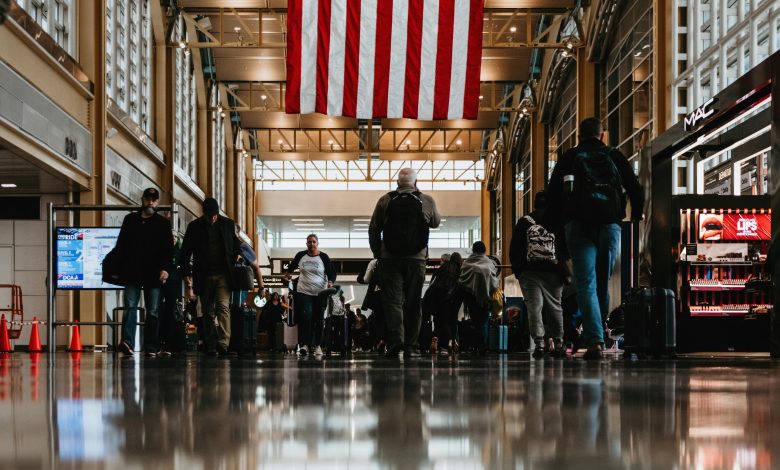
Traveling to India via an eVisa not only accelerates entry procedures but also enhances convenience by allowing foreigners to plan trips without prior visits to embassies or consulates. Since its introduction, the Indian eVisa program has expanded to accommodate over 180 countries, substantially simplifying travel for millions. Key airports such as Indira Gandhi International Airport (Delhi), Chhatrapati Shivaji Maharaj International Airport (Mumbai), and seaports like Kochi and Chennai are included in the list of entry points accepting eVisas. This policy pivots towards India’s aim to boost tourism and business while ensuring a safe and efficient immigration process.