Today, fireplaces remain a popular feature in homes and outdoor spaces worldwide. Despite being discovered centuries ago, fireplaces continue to combine energy efficiency and aesthetic appeal, adapting to modern design and technology trends. This versatility has allowed fireplaces to stay relevant and highly sought-after in contemporary living.
Modern Fireplace Types
Currently, various modern fireplace types are available, including gas, electric, wall-mounted, ventless, and portable fireplaces. However, traditional wood-burning fireplaces have not disappeared; they remain favored by many for their classic charm and warmth.
Fireplaces or heating units are broadly categorized into two main types based on their installation location: indoor and outdoor fireplaces.
What Sets Indoor Fireplaces Apart
As the name suggests, indoor fireplaces are installed inside homes or buildings—in living rooms, dining areas, bedrooms, or other enclosed spaces inside. These fireplaces are among the most popular choices due to their ability to provide comfort and style indoors.
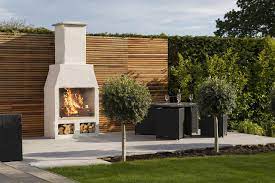
Conversely, outdoor fireplaces are designed for open spaces such as gardens, patios, or backyards. These units mainly serve the purpose of outdoor heating and are often enjoyed during evenings or cooler weather. Outdoor fireplaces also enjoy strong demand among homeowners seeking to enhance their outdoor living areas.
Choosing Between Indoor and Outdoor
Now that you have an overview of indoor and outdoor fireplaces, let’s explore some key differences between the two:
- Outdoor fireplaces are generally more affordable than indoor models.
- There is no need for a damper in outdoor fireplaces since heat loss is not a concern, unlike indoor fireplaces which require dampers inside open fireplace.
- Outdoor fireplaces tend to be larger with bigger fireboxes compared to their indoor counterparts.
- Outdoor units are often equipped with chimney caps to prevent the spread of sparks, especially on windy or turbulent days—a feature less common in indoor fireplaces.
- Indoor fireplaces offer a wider range of design options, as not all materials and styles are suitable for outdoor use, limiting outdoor fireplace variety.
- Indoor fireplaces include wood-burning, gas, and electric models, while outdoor fireplaces are predominantly wood-burning. Although gas fireplaces for patios exist, they are less common and sometimes considered less practical outdoor electric power fireplaces.
- Durability and weather resistance are critical for outdoor fireplace construction due to exposure to the elements, whereas indoor fireplaces focus more on elegance and decorative appeal.
- Materials like silver, gold, and platinum may be used sparingly in indoor fireplaces to complement interior decor, but outdoor fireplaces prioritize functionality with minimal decorative elements.
As fireplace technology continues to evolve, homeowners enjoy more customization and integration options than ever before. From eco-friendly gas inserts that reduce emissions to sleek electric fireplaces that offer easy maintenance, there’s a fireplace to suit every lifestyle and design preference. Moreover, advanced safety features and smart home compatibility make modern fireplaces both convenient and efficient, enhancing comfort for indoor and outdoor living spaces alike.
Read More: Essential Checklist for a Smooth Custom Home Construction Process