In many countries, deer are typically kept only in trusts, sanctuaries, or farms, primarily for their welfare and conservation. It is illegal to confine deer without a permit in most parts of the world. In fact, in some regions, wildlife officers will intervene and euthanize deer kept as pets to prevent animal cruelty and ecological issues. Despite these strict regulations, occasional reports emerge of individuals keeping deer as pets.
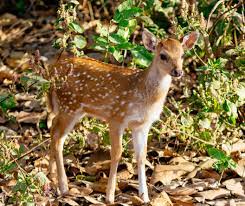
Did you know that Audrey Hepburn once had a fawn named Pippin during the late 1950s? This began as a movie-related task where Hepburn’s character was closely connected to nature, with a fawn following her everywhere. Hepburn brought the tiny animal home to build a bond, and Pippin soon won her heart.
Though the ultimate fate of Pippin remains unknown, famed LIFE magazine photographer Bob Willoughby captured a series of touching photographs depicting Hepburn bottle-feeding the fawn, cradling it, going shopping together, and even napping on the couch.
While young fawns pose little risk to owners or other pets due to their small size, the challenges increase dramatically as they mature. Despite their delicate appearance, even small deer possess strong muscles and can run swiftly. They can inflict serious injuries with their hooves and particularly with their antlers, if allowed to keep them. Domesticated bucks have been known to suddenly attack humans during rut (mating season). Hormonal changes during the rutting season transform typically docile bucks into aggressive animals that fight to establish dominance. In the absence of other bucks, a confined male deer may perceive humans as rivals and become hostile. Therefore, keeping a buck as a pet is strongly discouraged. Female deer (does), meanwhile, tend to become more cautious and protective when they have fawns or have recently given birth. While their aggression is less severe compared to males, they can still become defensive when fearing for their young.
Deer can cause harm either out of fear or unintentionally. In panic, they may injure themselves by repeatedly running into fences or gates, sometimes fatally. Deer generally dislike dogs, and numerous reports detail incidents of deer mauling or even killing dogs. In the wild, deer typically flee from canine predators, but when living close to humans and dogs, they may feel trapped or defensive, especially if protecting their offspring, leading to tragic encounters. While a fawn raised alongside a dog from an early age may develop a bond, there is insufficient evidence to confirm how such relationships evolve over time.
Because deer require freedom to roam and forage for appropriate plants, they need extensive outdoor space with access to natural trees and vegetation. Confined spaces are cruel and harmful unless they provide a large area for the animal’s well-being. Additionally, to prevent deer from wandering into neighboring properties, fences should be at least 8 feet (2 meters) high, as deer are capable jumpers.
Their dietary needs must be carefully managed to avoid health complications like acidosis, which can result from improper feeding. For detailed guidance on deer nutrition, visit what deer eat.. New foods should always be introduced gradually to avoid digestive upset.
If you find a fawn in the wild, do not assume it has been abandoned. Mother deer typically leave their young alone for a few hours while foraging, but they return to nurse them regularly. Touching a fawn can cause distress and transfer human scent, potentially attracting predators. Newborn fawns are carefully groomed by their mothers to minimize their scent and enhance survival.
If you are interested in learning more about pets in rental properties, please visit our Business category for comprehensive information.
Keeping deer as pets may seem appealing, but it demands substantial commitment and knowledge to provide a suitable environment that meets their physical and behavioral needs. Deer are wild animals with instincts and requirements that are challenging to satisfy in domestic settings. Their natural behaviors, dietary complexity, and space needs underline why sanctuaries and trusts are better equipped to care for them. Anyone considering deer ownership must thoroughly research legal regulations, animal welfare considerations, and long-term responsibilities before bringing these beautiful creatures into their care.