Russia is one of the most diverse and captivating countries on Earth. Spanning from snow-capped mountains to arid deserts, it experiences a wide range of climates, from freezing cold to subtropical warmth. This vast geographic and climatic diversity has shaped the rich cultural mosaic of the nation. Russia’s unique cultural heritage has profoundly influenced Russian cooking and contributed significantly to the country’s identity as we know it today.
Traditional Russian cuisine has historically been simple yet hearty, designed to meet the needs of rural communities. It relies heavily on fresh seasonal produce during summer and autumn, with foods that store well throughout the long, harsh winters and early spring. For a deeper dive, follow whatisss to explore authentic recipes and culinary traditions.
Russian Borscht
Though some argue that borscht originally comes from Ukraine, it has firmly established itself as a beloved staple in Russian cuisine as well. The core ingredient of this vibrant soup is beetroot, which gives it its signature deep red color. Common additions include cabbage, potatoes, onions, carrots, and tomatoes, creating a rich and flavorful blend.
Typically, borscht is prepared with beef broth, but using plain water still delivers a satisfying taste. It is traditionally served with a dollop of sour cream, garnished with fresh parsley or dill, accompanied by a slice of bread on the side. Additionally, understanding food aversions related to this dish can enhance your dining experience.
Pelmeni (Dumplings)
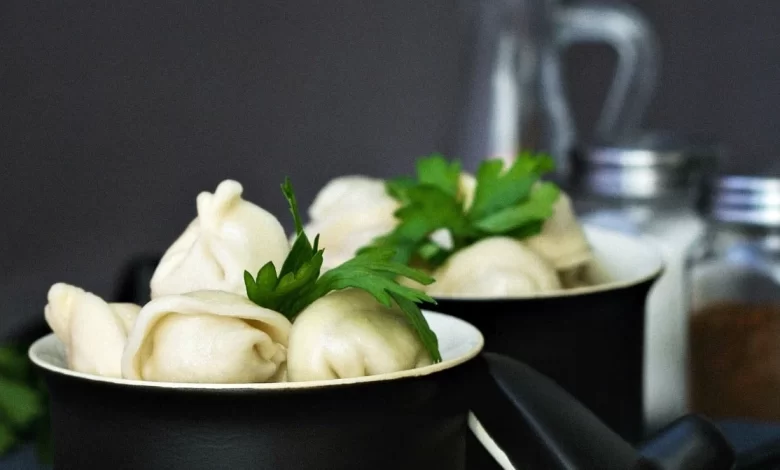
Originating from the Ural Mountains, pelmeni has a rich history tied to local communities who prepared these dumplings for sustenance during long winter hunts in the taiga or festive gatherings. Pelmeni typically consists of minced meat or fish mixed with spices, onions, or garlic, all wrapped in a thin dough and cooked by boiling or steaming. They are often enjoyed topped with sour cream, ketchup, or mayonnaise—a combination affectionately called “ketchunise.”
Pelmeni is widely popular across Russia and stores well frozen, making it a convenient and flavorful meal option. Savor the unique taste of the seasoned filling enclosed in tender dough.
Blini (Crepes)
Blini are thin pancakes made from eggs, flour, and milk or kefir (a fermented milk drink), traditionally enjoyed for breakfast or during Maslenitsa (Butter Week), a festive time before Lent. To prepare blini, mix the ingredients into a thin batter and cook on a hot pan until slightly browned.
They are commonly served with sour cream, but options like honey or varenye—a Russian fruit preserve—are popular too. Blini are also filled with savory ingredients like ham and cheese or sautéed mushrooms with mashed potatoes to create satisfying variations.
Russian Shashlik
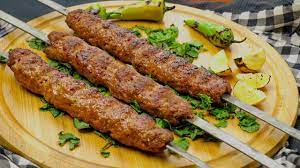
It is common to see groups of people grilling shashliks in parks across Russia during late spring and summer: marinated meat skewers cooked over glowing coals. Although shashlik originated in the Caucasus region, it has become a much-loved part of Russian culinary culture.
Shashlik often features lamb, pork, or chicken chunks marinated for several hours in mixtures such as kefir combined with soy sauce or lemon juice, herbs, spices, and sometimes vegetables like onions, garlic, or tomatoes. It’s typically served with potatoes, foil-baked vegetables, or grilled veggies.
Solyanka
Solyanka is a beloved Russian soup known for its rich, hearty texture and distinctive salty flavor—the name derives from the Russian word for “salt.” The base is typically meat, mushroom, or fish broth. Pickled cucumbers and brine are added, and the soup simmers for an extended period to develop its tangy taste.
Family recipes vary but commonly include cabbage, potatoes, olives, lemon slices, onions, and, of course, a spoonful of sour cream to finish. This soup is a cherished comfort food throughout Russia.
Read More: Foods that Choosing the Best Juicer Blood Flow and Circulation
Russian Shchi
Shchi is one of the oldest and most iconic Russian soups, with a history tracing back to the 10th century. It is simple to prepare and was historically frozen and cut into portions during harsh winter travels. Shchi is a light cabbage soup made with meat or fish broth and can include either fresh cabbage or sauerkraut.
Additional ingredients often include potatoes, mushrooms, onions, carrots, and spices. Served hot with sour cream and rye bread, shchi remains a nourishing favorite across the country.
Syrniki
Syrniki hold a special place alongside blini in Russian cuisine. This dish consists of a batter made by mixing quark (tvorog in Russian) with flour, eggs, and sugar, sometimes enhanced with raisins or dried apricots for added texture and flavor. Small patties are fried until golden on the outside while remaining tender inside, offering a delightful contrast.
Syrniki are typically enjoyed as a sweet breakfast or dessert, served with sour cream or varenye to enhance their rich taste.
Russian cuisine offers a remarkable gastronomic experience defined by hearty, comforting dishes that reflect the country’s diverse regions and climates. From vibrant beetroot borscht to delicious pelmeni and subtly sweet syrniki, each dish tells a story of tradition, local ingredients, and cultural heritage. Exploring these dishes not only provides a taste of Russian culture but also highlights the importance of seasonal ingredients and preservation techniques in shaping flavors that have delighted generations. Whether you’re a culinary enthusiast or a curious traveler, Russian food promises a flavorful journey worth savoring.