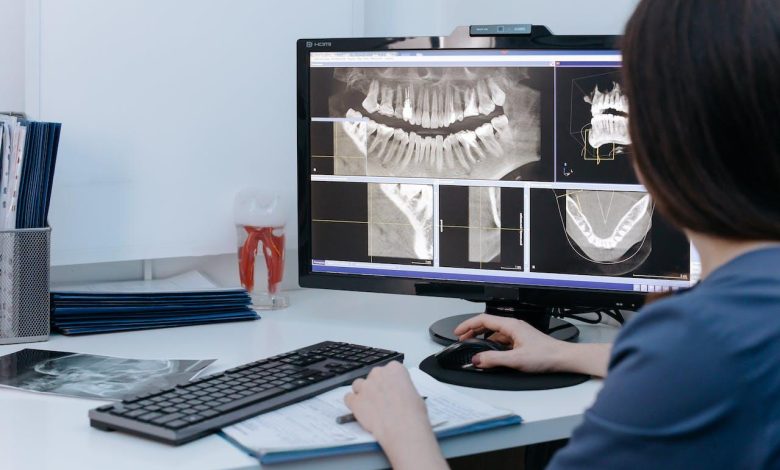
Early orthodontic evaluation plays a vital role in identifying potential teeth alignment issues in children. The American Association of Orthodontists recommends scheduling an orthodontic assessment by the age of seven. This early check-up enables orthodontists to detect developing problems and implement timely interventions, ensuring optimal oral development.
A radiant smile is a cherished gift we want for our children. Proper teeth alignment significantly enhances not only their appearance but also their overall oral health, reducing risks of cavities, gum disease, and jaw discomfort. If you’re exploring teeth alignment options for your child, this comprehensive guide offers practical advice to support your journey.
Here, we share five essential tips that will help you navigate the process smoothly and confidently, guiding your little one toward a healthy, perfectly aligned smile.
Choosing the Right Orthodontist
Selecting the right orthodontist is fundamental for your child’s teeth alignment journey. Prioritize an orthodontist with extensive expertise in pediatric orthodontics and a proven history of successful treatments. Reputation, credentials, and patient reviews are key factors to consider.
Equally important is finding a professional who makes your child feel comfortable and safe during visits. This positive rapport fosters cooperation and eases the treatment process. Don’t hesitate to seek referrals from trusted sources or arrange consultations with multiple specialists before making your choice.
Understanding Different Teeth Alignment Options
Today, various teeth alignment solutions are available, including traditional braces and Dental invisalign. Traditional braces, featuring brackets and wires, are highly effective for complex alignment issues. Alternatively, Invisalign and other clear aligners offer a discreet, removable option ideal for mild to moderate cases.
Evaluating the advantages and limitations of each method helps you make an informed decision tailored to your child’s specific needs. Keep in mind that every child’s orthodontic requirements differ, and personalized treatment plans yield the best outcomes.
Consulting with a qualified childrens dentist will provide expert insight into the most suitable option for your child’s unique dental condition.
Preparing Your Child for the Process
Effective communication is essential when preparing your child for orthodontic treatment. Use age-appropriate language to explain the steps involved, addressing any questions or fears they may have.
Involving your child in the decision-making and treatment process empowers them and reduces anxiety, helping them approach the forthcoming experience with confidence and a positive mindset.
Maintaining Oral Hygiene during Treatment
Maintaining impeccable oral hygiene throughout orthodontic treatment is vital. Whether your child uses traditional braces or clear aligners like teeth alignment, instilling good habits such as thorough brushing and flossing is critical to prevent tooth decay and gum disease.
Equip your child with appropriate dental care tools, such as interdental brushes and fluoride toothpaste, and provide ongoing guidance to ensure their teeth and gums stay healthy during treatment.
Encouraging Your Child throughout the Treatment
Orthodontic treatment can be a lengthy process requiring patience and commitment. Offering consistent emotional support and positive reinforcement boosts your child’s motivation and confidence as they progress toward a straighter smile.
Celebrate milestones and encourage responsibility by involving your child in caring for their braces or aligners. This sense of ownership fosters compliance and makes the experience more rewarding for them.
In addition to these practical tips, it’s important to maintain regular orthodontic appointments and monitor your child’s progress closely. Early detection of any issues during treatment can prevent complications and ensure the most efficient path to achieving optimal teeth alignment. Remember, a well-aligned smile contributes not only to your child’s self-esteem but also to their long-term oral health and overall well-being.